Unbelievable $14 Japanese Omakase at Maru in Sejong City
This article was translated from the original Korean post with AI assistance. Read the original Korean post →
I had some business in Sejong City (south of Seoul) and ended up grabbing dinner there. A friend who lives in the area suggested we go for omakase. Omakase is usually pretty pricey, so since it was Pepero Day (a Korean Valentine's-like holiday) and I hadn't received any gifts, I thought my friend was crazy. But once I heard it was only 20,000 won (approx. $14) per person, I immediately understood why we were there.
Ordering tteokbokki (spicy rice cakes) delivery in Seoul costs around 15,000 won (approx. $11), so a Japanese omakase for 20,000 won is just unbelievable. Even if the food tasted terrible, it would probably still be famous just for being a "20,000 won omakase"—but the crazy part is, it actually tastes good.
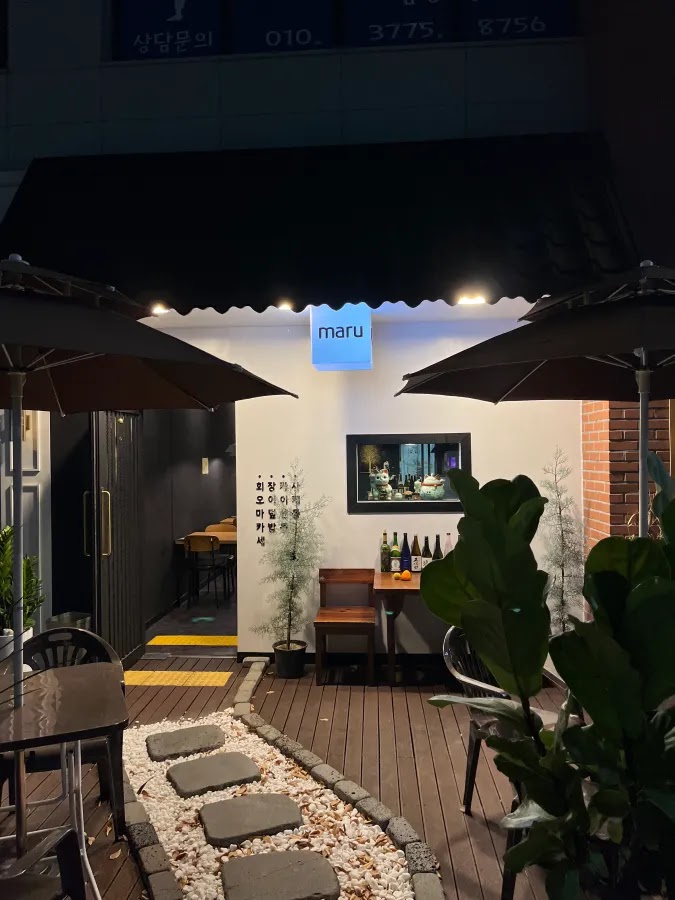
The entrance to the restaurant is cute and charming.

Sashimi Omakase 20,000 won
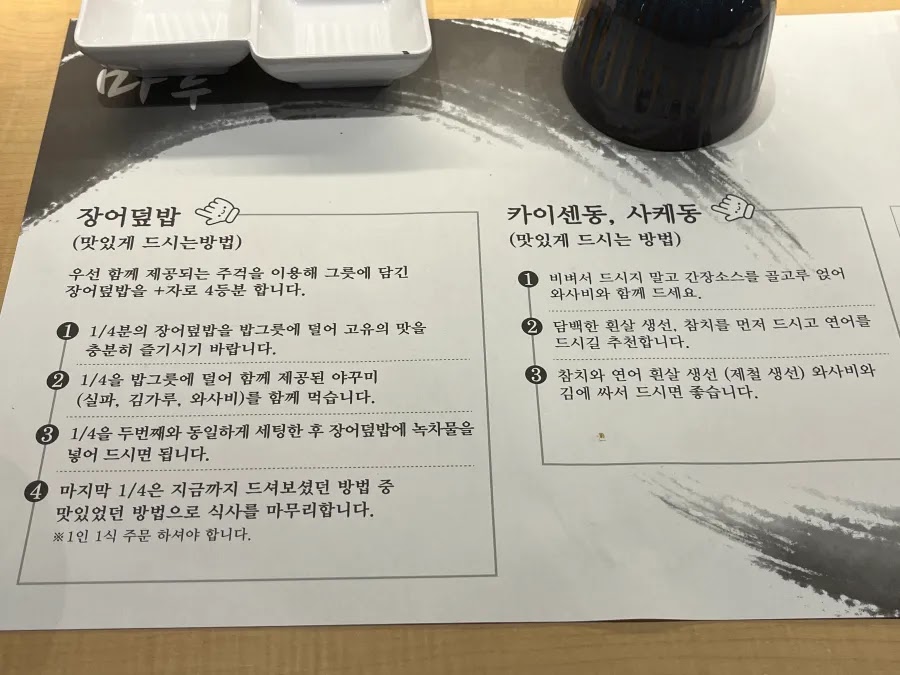
It looks like the main dish is an eel rice bowl.

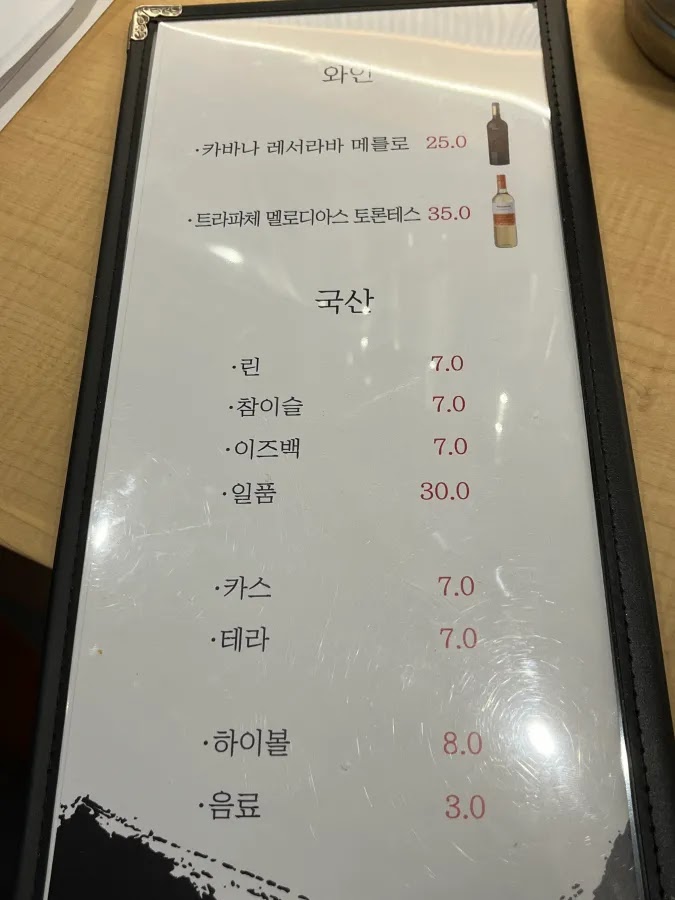
At 7,000 won (approx. $5), the soju is definitely on the expensive side compared to other places. However, since the food is so cheap, I think it's only fair they charge this much for drinks. I wondered if the food quality might change depending on the alcohol you order, so we went with a bottle of Kubota Senju sake. The omakase is 20,000 won, but the catch is that you must order one bottle of alcohol per person. That rule applies to soju, of course, but ordering a premium sake like Kubota gives you a free pass.
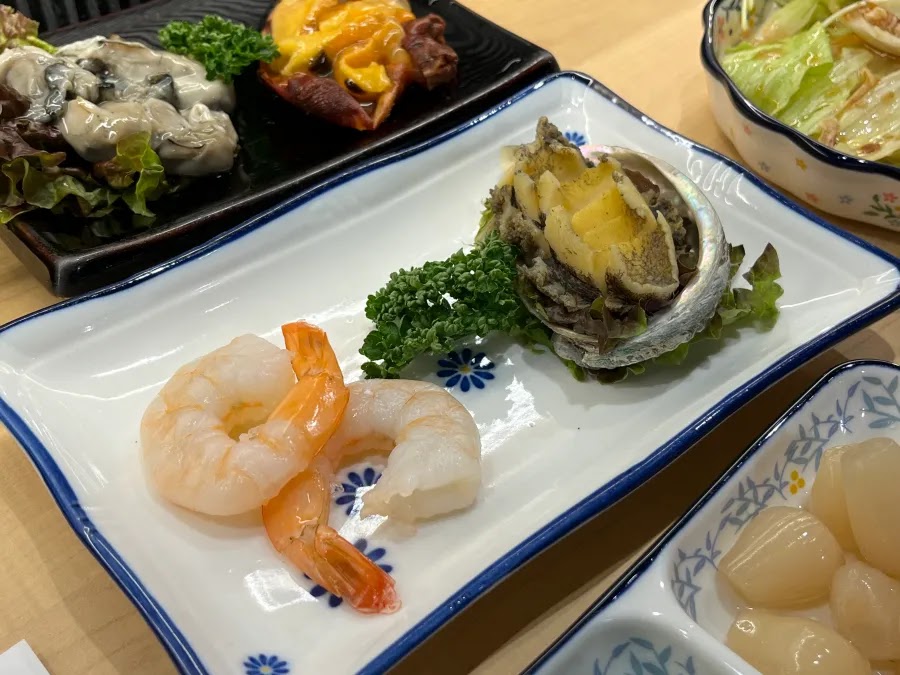
Even though oyster season is just starting, they were incredibly fresh. The abalone wasn't just roughly steamed either; it was cooked perfectly, making it wonderfully soft and easy to chew.

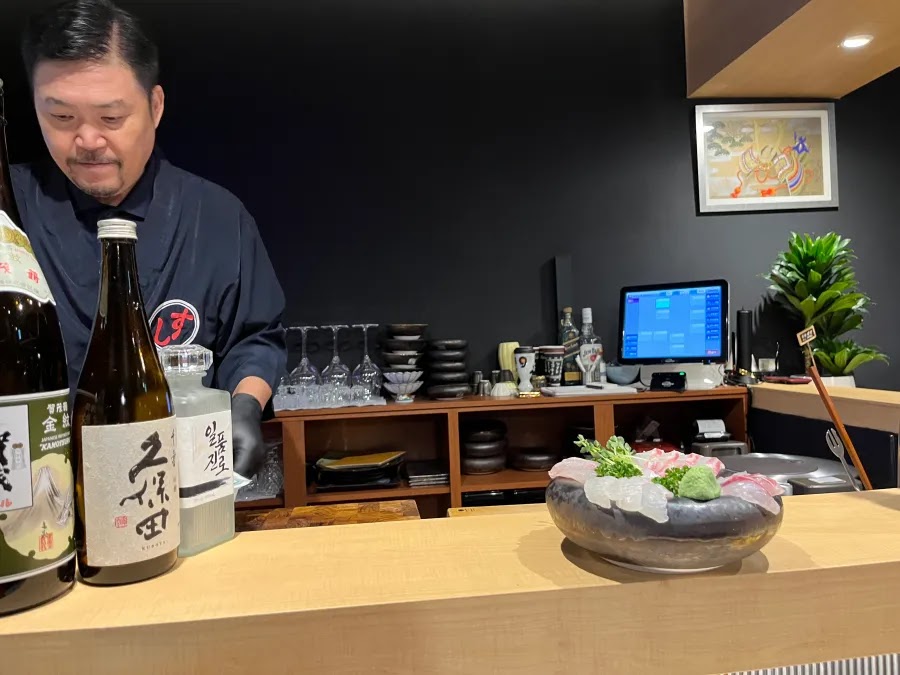
 Who would look at this and think it costs 20,000 won? The sashimi isn't just roughly chopped like you'd get at a fish market; it's beautifully filleted so that every bite goes down smoothly without any tough bits. The standard cuts are flounder, sea bream, and mullet, and just eating this plate alone is enough to fill you up. I'm not sure if the sashimi selection changes with the seasons, but the more I ate, the more I wondered how on earth they can afford to sell this for 20,000 won.
Grilled Patagonian toothfish (mero)
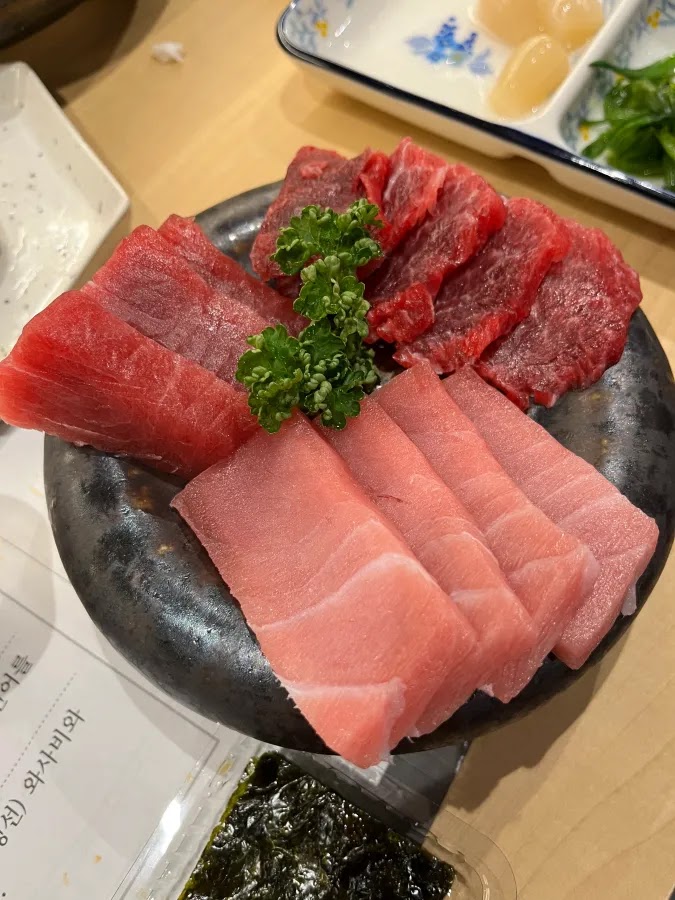 I thought the meal was over after the white fish, but then out came tuna sashimi. At this point, worry and suspicion started to creep in—can a restaurant really survive long-term with this business model? Regardless of whether it's a premium cut or not, the mere fact that they serve tuna at this price point is astonishing.
Mussel soup
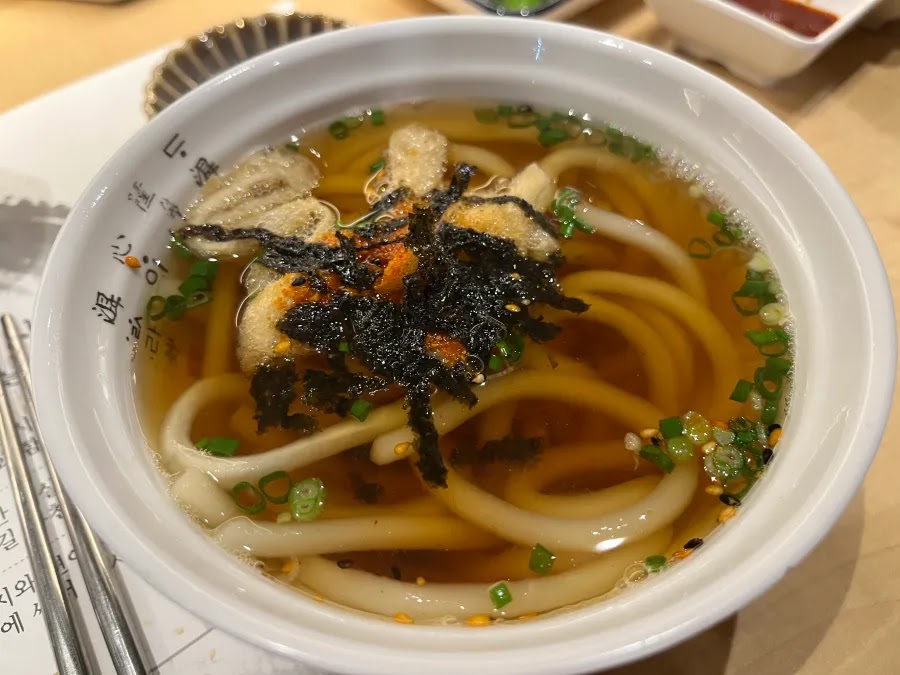
The actual final dish: udon.

Seriously, what is the reason they sell this so cheaply? Is it just a grand opening promotional event? All sorts of thoughts crossed my mind. If they just roughly sliced the fish like at a bustling seafood market, I might understand, but they carefully and properly fillet each piece so that every single bite is delicious and smooth. They even offer a free glass of house wine if you leave a Naver review (a popular Korean portal), so I honestly don't know if they have any profit margin left.
It's a shame this Japanese restaurant isn't in Seoul.